Quick links
gwai lo
DCHP-3.1 (Mar 2026)
Spelling variants:gwailo, gwei lo, gweilo
1n. — offensive, rare
a derogatory term used by Cantonese speakers for people of European descent.
Type: 2. Preservation — Gwai lo directly translates to ‘ghost man’, meaning foreigner or specifically a person of European descent. The variation huk gwai lo refers to people of African descent (see 1992 quotation). The term was originally used in Hong Kong when it was colonized by Britain in 1842, with Cantonese speakers referring to British soldiers as such.
Since the settlement of large groups of Hong Kong immigrants in Ontario and British Columbia starting from 1988 (see The Canadian Encyclopedia reference), the term has been widely used by the Cantonese diaspora.
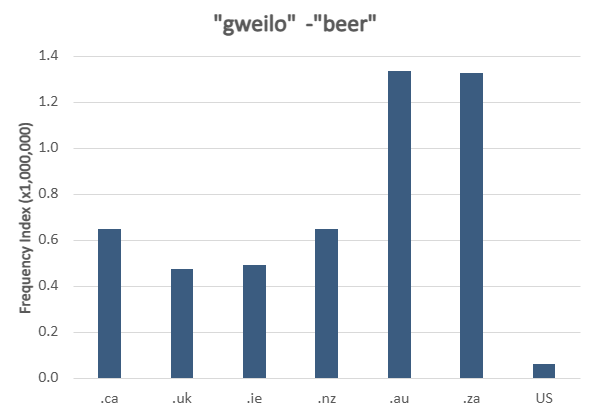
Charts 1 and 2 demonstrate the distinctly Canadian dimension of the spellings gwai lo and gwailo. Internationally, gwei lo and gweilo are more common (see Charts 3 and 4).
Since the settlement of large groups of Hong Kong immigrants in Ontario and British Columbia starting from 1988 (see The Canadian Encyclopedia reference), the term has been widely used by the Cantonese diaspora.
Charts 1 and 2 demonstrate the distinctly Canadian dimension of the spellings gwai lo and gwailo. Internationally, gwei lo and gweilo are more common (see Charts 3 and 4).
This term is considered offensive and is included because it documents actual use of this term. This is not an endorsement of its use.
The spelling variant gweilo is also used as the brand name of a Hong Kong craft brewery of which the founders are British.
Quotations
1992
The Chinese go one better: there are gwai lo, the ghost people; and huk gwai lo, black ghost people. Once, an elderly Chinese man I know summarily disposed of both groups: white people are all fat, and black people are all ugly because they have fat lips and big behinds.
2000
The source of the complaint is the historic Cantonese expression “gwai lo” which is used as a material component of the show’s title. In its etymological background, “gwai lo” translates as “foreign devil” or “ghostly fellow” and it continues to be used by some Chinese to refer to “pale-skinned” Westerners.
2007
Me neither. And I didn't have a party of 10 to feed, which is what it would have taken to get a table at Green Village last Saturday, or $300 to splurge on the shark-fin extravaganza at Pink Pearl. So where did this gwai lo ring in the Year of the Pig? At Wild Rice in Gastown, where a special three-course wild-boar menu, excellently priced at $25 a person, is being offered until March 10.
2009
Such liberties seem fitting for a city like Toronto, where nearly anything goes for the holidays: Christmas trees and gwei lo, or foreign devils, celebrate Chinese New Year with as much gusto as their Cantonese neighbours.
2014
Chef Lam's style blends a lot of east with just a bit of west, and a craftsmanship that isn't always easy to find. It is worth ordering his sweet and sour pork, for instance, gwai lo bait, at nearly any other restaurant.
2023
An Asian couple was walking close behind us, called us gweilo, and began to laugh at us. My husband is white but I am Indigenous. We felt super uncomfortable by their comment, but are wondering the general consensus of the use of that word here in Vancouver?
References
- The Canadian Encyclopedia • Asia-Canada
Images
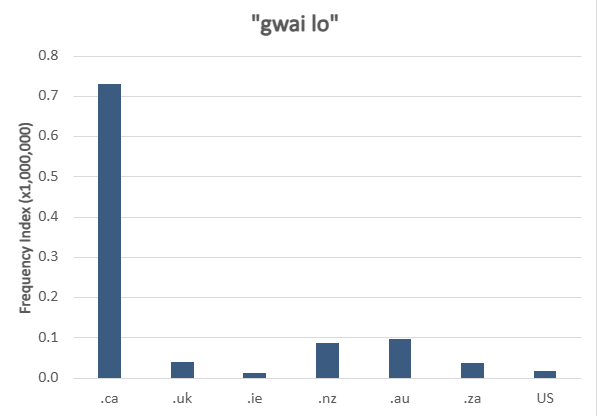
Chart 1: Internet Domain Search, 23 June 2026
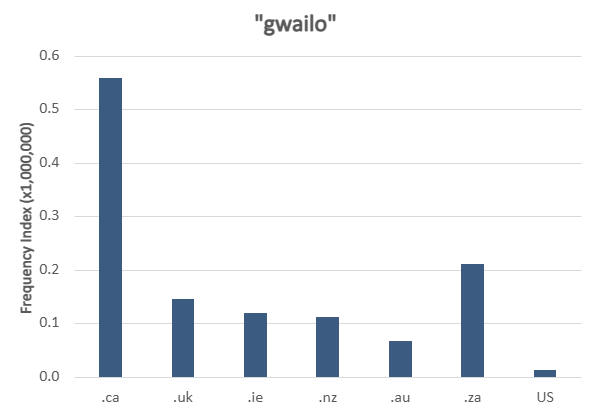
Chart 2: Internet Domain Search, 23 June 2026
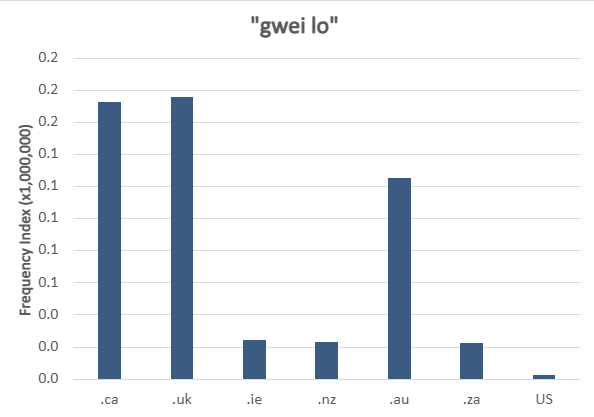
Chart 3: Internet Domain Search, 23 June 2026